메트로人 머니 산업 IT·과학 정치&정책 생활경제 사회 에듀&JOB 기획연재 오피니언 라이프 CEO와칭 플러스
글로벌 메트로신문
로그인
회원가입

    머니

  • 증권
  • 은행
  • 보험
  • 카드
  • 부동산
  • 경제일반

    산업

  • 재계
  • 자동차
  • 전기전자
  • 물류항공
  • 산업일반

    IT·과학

  • 인터넷
  • 게임
  • 방송통신
  • IT·과학일반

    사회

  • 지방행정
  • 국제
  • 사회일반

    플러스

  • 한줄뉴스
  • 포토
  • 영상
  • 운세/사주
국제
기사사진
Hyundai Glovis: Target Prices Raised by Securities Firms Following News of Major Contract Signing

Securities firms have positively assessed Hyundai Glovis' stock, raising its target price, as the company is expected to see improved performance following the renewal of maritime transportation contracts with Hyundai Motor and Kia. According to the Korea Exchange on January 5, Hyundai Glovis closed at 134,500 KRW on January 3, up 0.52% from the previous trading day. Over the past three trading days, the stock has surged approximately 15%, continuing its upward trend. This sharp rise is attributed to improved investor sentiment following the announcement on December 31 of a five-year long-term maritime transportation contract with Hyundai Motor and Kia, valued at approximately 6.7 trillion KRW. The new contract extends the previous three-year agreement to five years and significantly increases the contract value. Yang Ji-hwan, a researcher at Daishin Securities, commented, "This renewal of the long-term transportation contract is considered an exceptional outcome that exceeds market expectations." He explained, "The annualized contract value amounts to approximately 1.34 trillion KRW, which represents a 105% increase compared to the 6,550 billion KRW annual average of the previous three-year, 1.9 trillion KRW contract signed in 2021." As expectations for Hyundai Glovis' profitability improvement grow, securities firms have consecutively raised their target prices for the company. Daishin Securities increased its target price from 160,000 KRW to 170,000 KRW. Researcher Yang noted, "The proportion of Hyundai Motor and Kia's shipping volume has decreased from 60% to 50%, reducing the company's reliance on affiliates. Additionally, the five-year long-term transportation contract, reflecting the peak boom in pure car carrier (PCC) freight rates, has further strengthened performance stability." Hana Securities also raised its target price for Hyundai Glovis from 150,000 KRW to 164,000 KRW. Researcher Song Seon-jae from Hana Securities stated, "Hyundai Glovis is improving profitability by acquiring new customers, such as Chinese automakers, which has led to an increase in non-affiliate sales. Non-affiliate volumes are estimated to have grown by over 30% last year and continue to rise." He added, "Considering these factors, Hyundai Glovis' revenue from finished car maritime transportation is expected to grow by 11% this year." Alongside performance improvement, enhanced shareholder returns are also anticipated. Researcher Song emphasized, "While the growth potential of core business units is strengthening, Hyundai Glovis is also expected to expand shareholder returns, including a dividend payout ratio of at least 25% and a minimum 5% increase in dividends per share (DPS). Additionally, the company has set ambitious business goals of achieving over 40 trillion KRW in revenue and a return on equity (ROE) of more than 15% by 2030, which will further enhance shareholder value." ChatGPT를 사용하여 번역한 기사입니다.

2025-01-05 15:35:30 메트로신문 기자
기사사진
Domestic Auto Industry Faces Sluggish Domestic Demand… Turns to Exports for Growth

The domestic automobile industry faced a significant blow to local sales last year due to the economic downturn and high-interest rates. However, increased export volumes helped mitigate the impact on overall performance. According to the automobile industry on January 5, Hyundai Motor and Kia Motors failed to meet their combined sales target of 7.44 million units last year, largely due to the sluggish domestic market. Meanwhile, Korea GM (GM Korea) and KG Mobility (formerly SsangYong Motor) experienced their worst domestic sales performances. On the other hand, Renault Korea Motors maintained a positive trajectory, buoyed by the success of new model launches. Last year, Hyundai Motor sold 705,000 units domestically, a 7.5% decline compared to the previous year, while Kia managed 540,000 units, down 4.2%. However, both Hyundai and Kia successfully offset the domestic downturn by leveraging strong export growth to stabilize their overall sales volumes. Notably, Kia achieved its highest-ever global sales record last year, selling 3,089,457 units. The decline in domestic sales was offset by overseas sales, which reached 2,543,361 units—a 1% increase compared to 2023. For this year, Kia has set a global sales target of 3,216,000 units, representing a 4.2% growth compared to last year’s performance. Hyundai Motor and Kia are focusing on penetrating global markets to overcome challenges. They are targeting the North American eco-friendly vehicle market by ramping up operations at their Georgia plant, while also expanding sales in emerging markets through localization strategies in India and Indonesia. Hyundai plans to launch the large electric SUV Ioniq 9 in the U.S. this year. Kia, meanwhile, aims to drive innovation in the automotive industry with its purpose-built vehicle (PBV) PV5 and expand its presence in emerging markets. The company is set to introduce the compact SUV Siroce and the pickup truck Tasman, targeting markets in India, the Asia-Pacific region, Latin America, and Africa. Mid-sized domestic automakers experienced mixed fortunes in domestic and export markets. Notably, Korea GM (GM Korea) and KG Mobility (formerly SsangYong Motor) recorded their worst domestic sales figures. Korea GM sold 24,824 units, a decline of approximately 35% year-over-year, while KG Mobility sold 47,000 units, a 25.7% drop. Korea GM's domestic sales last year were its lowest since 1982, when it sold 22,184 units. However, both Korea GM and KG Mobility saw notable increases in export volumes. Korea GM recorded 474,735 units in overseas sales, a 10.6% year-over-year increase, marking its highest export figure since 2014. KG Mobility achieved a significant 18.2% rise in exports, with 62,378 units sold abroad. KG Mobility aims to boost both domestic and export sales in 2025 with the launch of new models such as the Torres Hybrid and O100. These initiatives highlight the company's strategy to strengthen its market presence globally and locally. In contrast, Renault Korea Motors, which had struggled with declining sales for an extended period, experienced a resurgence thanks to the popularity of its first new model in four years, the Grand Koleos. Renault Korea achieved a total of 106,939 units sold last year, comprising 39,816 units domestically and 67,123 units for export. Notably, its annual domestic sales rose by an impressive 80.6% year-over-year. Buoyed by the success of its new model, Renault Korea aims to maintain its upward momentum through additional launches. Domestically, the company will focus on boosting Grand Koleos sales, while expanding export volumes with the Arkana. The Grand Koleos is also expected to make significant contributions to export performance. Additionally, Renault Korea plans to strengthen its presence in the domestic electric vehicle market by introducing the compact electric SUV Renault Scenic E-Tech next year, targeting environmentally conscious consumers. An official from the automobile industry stated, "Last year, the domestic market faced significant challenges due to the economic downturn caused by high interest rates and inflation." They added, "This year, the focus will be on increasing sales volumes by addressing the sluggish domestic market while also intensifying localization strategies to penetrate emerging markets, including the U.S." ChatGPT를 사용하여 번역한 기사입니다.

2025-01-05 15:35:22 메트로신문 기자
기사사진
U.S. Solar Cell Import Dependence to Increase This Year… Positive News for Korean Solar Industry

U.S. solar module imports are expected to decline throughout 2025 following the expiration of tariff exemptions for Chinese-origin modules assembled in Southeast Asia. However, the increase in solar cell imports signals a positive trend for domestic companies involved in building the solar energy value chain within the United States. According to industry sources on January 2, U.S. solar module imports peaked at 5.88 GW (gigawatts) in May 2024 but began to decline in June 2024. This downturn coincided with the expiration of duty-free measures on June 6 for panels assembled in four Southeast Asian countries—Thailand, Vietnam, Cambodia, and Malaysia. These countries have been widely regarded as alternative routes for Chinese manufacturers to assemble and export solar modules to the U.S. market. In contrast, U.S. solar cell imports have significantly increased, rising from a low of 0.71 GW in April 2024 to 1.41 GW in October 2024—an approximately 100% growth. Cumulative solar cell imports for the U.S. reached 10.86 GW by October, a staggering 281% year-over-year increase. This growth is largely attributed to the tariff rate quota system implemented under the U.S. International Trade Commission's (ITC) safeguard measures. In January 2018, during the Trump administration, the U.S. introduced a safeguard policy that exempted tariffs on annual imports of up to 2.5 GW of crystalline silicon solar cells. In February 2022, President Biden raised the quota to 5 GW, and in August 2023, expanded it further to 12.5 GW. Imports exceeding this limit remain subject to a 14.25% tariff. This policy adjustment has been identified as a key factor driving the substantial increase in U.S. solar cell imports. In this context, the U.S. is projected to face a mid- to long-term shortage in solar cell production capacity compared to its module production capacity. According to the Solar Energy Industries Association (SEIA), the U.S. has an estimated solar module production capacity of approximately 40 GW, but its cell production capacity is below 10 GW. As a result, the U.S. is expected to rely heavily on imported cells to meet its module production needs. This reliance is seen as a positive signal for domestic companies establishing solar value chains in the U.S., such as Hanwha Solutions' Qcells division (Hanwha Qcells). Hanwha Qcells is anticipated to benefit significantly as it invests over 3 trillion KRW to create a "solar hub" in the U.S. The hub will include the entire solar value chain, from ingot and wafer production to cells and modules, with the project slated for completion in early 2025. Hanwha Qcells is expanding its production capabilities, targeting a total capacity of 8.4 GW by combining its upgraded Dalton plant and the newly constructed Cartersville plant. This comprehensive approach positions Hanwha Qcells as a key player in addressing the U.S. solar industry's cell production gap. OCI Holdings is also targeting long-term performance growth through the expansion of its solar value chain in the U.S. The company is reportedly working to establish a joint venture in the U.S., aiming to enhance its vertical integration. This includes leveraging OCIM's polysilicon production, MSE in Texas, and OCI Energy to build a non-China-centric solar value chain. A potential variable, however, is the shift in energy policies under the second Trump administration. While there is speculation that a return to some fossil fuels may occur, the dominant view is that the administration will intensify its stance on containing China. An industry insider noted, "If the Trump administration's measures to counter China become more aggressive, it could create significant opportunities for domestic solar companies." ChatGPT를 사용하여 번역한 기사입니다.

2025-01-02 17:18:24 메트로신문 기자
기사사진
Demand Contraction Leads to Decline in Crude Steel Production... Steel Industry Focuses on Profitability Defense This Year

The global steel industry continues to experience a decline in cumulative crude steel production due to weakening demand. This trend is largely attributed to the downturn in the construction sector and an overall slowdown in demand, prompting steel manufacturers to adjust production levels. The steel industry anticipates that a recovery in market conditions will remain challenging through 2025 and plans to focus on cost reduction and production adjustments to protect profitability. According to the World Steel Association (WSA) on January 1, global crude steel production in November reached 150 million tons, a 0.8% year-over-year increase. However, it marked a 3.5% month-over-month decline and a 1.4% decrease year-to-date compared to the previous year. China, the world’s largest steel producer, reported November production of 78.4 million tons, up 2.5% from the same month in the previous year but lower than October's 81.9 million tons. Cumulatively, China's production for the year through November stood at 930 million tons, a 2.7% year-over-year decrease. The crude steel production of Japan, the United States, Russia, and South Korea—ranked 3rd to 6th globally—continues to decline. In November, production volumes for these countries fell by 3.1%, 2.8%, 9.2%, and 3.6%, respectively, compared to the same period in the previous year. This downward trend in production is largely attributed to seasonal demand slowdowns during the winter off-season. Steelmakers have been adjusting production levels to address sluggish demand and growing steel inventories, taking measures such as reducing plant operating hours. The steel industry is expected to adopt "downsizing" strategies through 2025 to navigate the ongoing recession. With an unfavorable market outlook for the year ahead, companies are focusing on minimizing risks and implementing measures to sustain their operations and profitability. In November, POSCO ceased operations at its Pohang Wire Rod Plant No. 1 after 45 years and 9 months of operation. This marks the second shutdown at the Pohang site in 2023, following the closure of Pohang Steel Plant No. 1 in July. The decision to shut down operations was driven by a combination of factors, including the global oversupply of steel, the influx of low-cost steel imports, and aging facilities. Hyundai Steel has also reportedly adopted a plan to scale back operations at its Pohang Plant No. 2, which handles steelmaking and rolling processes. The plant will transition its workforce structure from the existing four-shift, two-team system to a two-shift, two-team system for both its steelmaking and rolling operations. This adjustment is attributed to low utilization rates caused by the downturn in the construction sector. Hyundai Steel's Pohang plant, one of South Korea's key production bases for bar and shape steel products after its main Incheon plant, primarily focuses on producing H-beams. The operational adjustments highlight the impact of weak demand and challenging market conditions on the steel industry. To make matters worse, a surge in exchange rates is adding to the challenges faced by domestic steelmakers. Most raw materials required for steel production are imported from countries like Australia and Brazil, with payments made in U.S. dollars. As the exchange rate rises, the cost of these imports increases, further straining profitability. In a report, Samjong KPMG projected that global steel demand in 2025 will be driven primarily by the United States, Europe, and India. Additionally, it noted that if domestic interest rates are lowered, a recovery in construction orders could ease inventory burdens for bar products like rebar and H-beams. However, the report also highlighted potential risks, including market saturation due to an influx of low-cost Chinese products and profitability challenges stemming from rising industrial electricity rates. These factors are expected to exacerbate the difficulties for the steel industry in the coming years. hyeon@metroseoul.co.kr

2025-01-02 13:38:54 메트로신문 기자
기사사진
[Mega Hit Product Story] Jeong Kwan Jang's Everytime: Diversifying Formats, Flavors, and Ingredients to Lead K-Health Functional Foods

In 2012, Jeong Kwan Jang introduced "Everytime," the first stick-type red ginseng product, ushering in an era of convenient health care. It quickly became a beloved essential for busy modern individuals seeking to maintain their health amidst hectic daily lives. By offering various formats such as sticks, films, and ampoules, and expanding its product lineup with diversified flavors, ingredients, and functionalities, it has established itself as a leading health functional food brand in South Korea. ◆ Convenient consumption plays a significant role in attracting 2030 customers. "Everytime" was born in 2012 as a result of listening to consumer demands for a more convenient way to consume red ginseng. Prior to the launch of "Everytime," KGC's (Korea Ginseng Corporation) sales were primarily driven by concentrate-type products. Through extensive field research, the company identified a growing demand among younger consumers for red ginseng products that were easy to carry and consume. In response, KGC began developing a stick-type red ginseng product and named it "Everytime," signifying its convenience for consumption anytime and anywhere. "Everytime" was the first product to introduce red ginseng in stick form. "Everytime" received an enthusiastic response from the outset. Its annual sales, which stood at 9 billion KRW in 2013, surged to 48 billion KRW in 2015, surpassed 100 billion KRW in 2016, and reached 190 billion KRW in 2019. Over 12 years since its launch, it achieved cumulative sales of 1.5598 trillion KRW, solidifying its position as a mega-brand. The product garnered significant attention after appearing in popular dramas such as Misaeng and Descendants of the Sun. This popularity led to "Everytime" being nicknamed "Misaeng Red Ginseng" at one point, earning explosive acclaim not only among the 20s and 30s demographic but also among 40-something office workers. ◆ Expansion of a tailored lineup for TPO (Time, Place, Occasion). Building on the success of "Everytime," Jeong Kwan Jang has consistently expanded its product lineup. Keeping pace with changing trends, the brand has introduced innovative formats beyond sticks, such as films and ampoules. Additionally, it has diversified its offerings by incorporating various ingredients and flavors tailored to TPO (Time, Place, Occasion), evolving from a "convenient red ginseng" product to a synonymous name for "convenient health." Among these innovations, the "Everytime Film," a red ginseng concentrate compressed into an oral dissolving film (ODF), has emerged as a second-generation "Everytime" product. Within just 16 months of its launch, it recorded cumulative sales of 4.8 million units. Its success is attributed to its ultra-lightweight individual packaging, making it easy to carry in a wallet or pocket, and the ability to consume it without water, offering convenience during busy workdays or workouts. "Everytime" has enhanced its accessibility by entering convenience stores and duty-free shops. With the growing demand for health products in accessible locations like convenience stores, Jeong Kwan Jang introduced two variants, "Everytime Refresh" and "Everytime Max," into these outlets. These products, designed to provide energy boosts and mood refreshment with a single stick, have gained popularity among office workers. In duty-free shops, the brand caters to the tastes of international visitors by offering delicious and enjoyable "Everytime" options. These include the "Everytime Film Fresh," featuring red ginseng with an apple-mint flavor, and the recently launched "Everytime Pear" and "Everytime Hallabong (Jeju Citrus)" flavors, inspired by Korea's representative fruits. Additionally, "Everytime Soft," enriched with licorice extract and propolis, offers a smoother red ginseng experience. It has gained significant traction online, ranking high in the health category on KakaoTalk Gift, underscoring its popularity as a convenient and thoughtful gift option. ◆ Rising as a K-Health Functional Food Leader… Annual Global Sales Reach 60 Billion KRW. "Everytime" is expanding beyond the domestic market, making significant strides in the global arena. In 2023 alone, it achieved overseas sales of approximately 60 billion KRW. This success stems from analyzing local health concerns, developing tailored products, and diversifying its distribution channels across major global markets. Notably, "Everytime" became the first Korean health functional food to be featured in Sprouts, a premium U.S. supermarket chain, receiving positive responses from consumers. Products such as "Everytime 2000mg," "Everytime Powerful Deer Antler," and "Everytime Energy Boost" have been designed specifically for the U.S. market and are available across all Sprouts locations. These offerings address the interest of American consumers in energy boosting and metabolism improvement, focusing on the blood circulation and fatigue recovery benefits of red ginseng, as recognized by Korean health authorities. Additionally, the products are formulated to reduce the bitterness of red ginseng, catering to the preferences of American consumers unaccustomed to such flavors. In Greater China, "Everytime" is credited with playing a significant role in shifting the market focus from traditional root ginseng to convenient ginseng-based products. Historically, Korean ginseng (red ginseng) was perceived as a "traditional Chinese medicine for the elderly," but since the launch of "Everytime," its convenience and ease of consumption have gained popularity, particularly among office workers in their 30s. In Taiwan, the grapefruit-flavored "Everytime You (柚)" has received widespread praise, especially among women in their 20s and 30s, highlighting the brand's appeal to younger, health-conscious consumers. A representative from KGC Ginseng Corporation commented, "Everytime has continuously evolved to become a beloved health essential in the daily lives of modern individuals. Moving forward, we aim to further enhance the global status of K-Health Functional Foods by understanding and addressing the lifestyles and health needs of people worldwide." ChatGPT를 사용하여 번역한 기사입니다.

2025-01-02 13:30:16 메트로신문 기자
기사사진
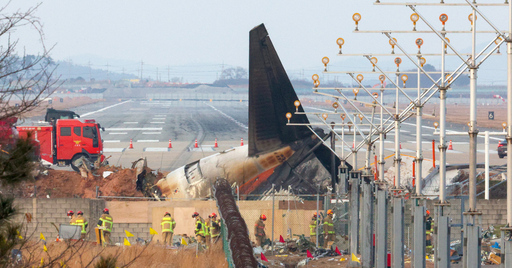
제주항공 참사, 외국 전문가들 '콘크리트 벽'에 의문 제기

179명의 사망자를 낸 제주항공 참사와 관련, 활주로 끝 착륙유도장치(로컬라이저)와 함께 설치된 콘크리트벽의 존재에 외신과 전문가들이 의문을 제기하고 있다. 뉴욕타임스(NYT)는 30일(현지시각) 전문가들을 인용, "많은 공항은 (이번 사건 콘크리트벽과) 유사한 구조물을 활주로에 가까운 곳에 두지 않는다"라고 보도했다.만일의 경우에 대비해 착륙유도장치를 설치할 경우 통상 항공기의 피해를 최소화하면서 충격을 흡수하거나 분리되도록 더 부드러운 소재를 사용한다는 게 NYT의 설명이다.NYT는 또 서던캘리포니아대 소속 나즈메딘 메슈카티 엔지니어링 교수를 인용, "항공기가 미끄러져 충돌할 때 이 딱딱한 구조물은 재앙적이라는 사실이 입증됐다"라고 전했다.이어 "이번 사고는 세계 공항의 활주로 끝에 '연질의 장벽'을 설치해 활주로 탈선의 충격을 최소화할 필요가 있다는 사실을 부각했다"라고 덧붙였다. 타 공항의 예도 들었다. 일부 공항에서는 중대한 손상을 입히지 않고 항공기를 멈출 수 있도록 무게에 따라 부서지기 쉽게 가스를 주입한 콘크리트를 사용한다는 것이다.루프트한자 소속 파일럿인 크리스티안 베케르트 역시 로이터에 콘크리트벽 설치가 "통례적이지 않다"라며 "보통 공항에서는 활주로 끝에 벽을 설치하지 않는다"라고 말했다.항공애널리스트인 샐리 게틴은 BBC 인터뷰에서 활주로 역방향 착륙 사실에 주목, "(조종사가) 그런 유의 단단한 장벽이 (활주로) 끝에 있음을 알았는지를 파악해야 한다"라고 강조했다. 두 번째 착륙 시도 당시 관제탑이 역방향 활주로 사용을 지시했는지 등을 블랙박스 분석을 통해 알아내야 한다는 것이다. 그는 "의문이 너무 많다"라고 말했다.48년 경력 파일럿이자 사고기와 동종 기체를 운항하는 크리스 킹스우드는 BBC에 "활주로 내 일정 거리 안의 장애물은 항공기가 충돌하면 부서지도록 해야 한다"라고 했다.킹스우드도 "(벽이) 그렇게 단단한 물질인 경우는 통상적이지 않다"라고 했다. 다만 그는 잔여 연료 등을 고려할 때 벽이 없었다고 결과가 달랐으리라 단정할 수는 없다고 했다. 반면 미국 비영리기관 비행안전재단 하산 샤하디 회장은 워싱턴포스트(WP)에 "활주로 끝에 장벽이 있어 사고가 훨씬 치명적이었을 수 있다"라고 말했다.그는 "항공기가 활주로 끝이나 측면을 지나가는 일은 드물지 않다"라며 "공항 인근 구조물 배치는 국제 표준에 따라 관리되며, 이런 표준이 준수됐는지 조사해야 할 것"이라고 했다.안전 컨설턴트인 존 콕스는 활주로 영상을 봤을 때 조종사는 어느 정도 통제력을 유지한 것으로 보인다며 "장벽이 없었다면 안전하게 멈출 충분한 공간이 있었을 것"이라고 했다. 퇴역 조종사 더그 모스는 "공항 레이아웃이 충돌 주요 요소인 듯하다"라며 "이상한 설계를 많이 봤지만 이번이 가장 이상했다"라고 말했다.항공 전문가 데이비드 리어몬트는 스카이뉴스TV에 "승객들은 활주로 끝에 있는 견고한 구조물에 비행기가 충돌하며 사망했다"라며 "이런 구조물이 있어서는 안 된다"라고 했다.리어몬트는 아울러 랜딩기어가 제대로 전개되지 않은 점이 승객 사망의 주요 원인은 아니라고 했다. 반면 유도 장비 등은 활주로 이탈에 대비해 접힐 수 있어야 한다는 설명이다.

2024-12-31 14:55:43 최규춘 기자
기사사진
세계 각 국의 새해맞이 풍습…석류 깨고, 바다 뛰어들고, ‘행운의 음식’ 먹고

한 해가 저물고 또 다른 한 해가 시작된다. 여행전문 잡지 'AFAR'는 최근 각 국에서 한 해를 보내고 새해를 맞는 각기 다른 전통과 풍습을 온라인에 업데이트해 소개했다.미국 뉴욕 맨해튼 타임스타임에서는 '볼 드롭' 행사가 열리고 집을 청소하거나 신선한 석류를 깨뜨리는 둥 다양하다. 스페인, 포르투갈, 라틴 아메리카 대부분에서는 '행운의 음식'으로 자정에 12번의 시계 소리에 맞춰 포도나 건포도 12개를 먹거나 이탈리아에서는 렌즈콩(렌탈콩) 12숟가락을 먹는다.프랑스는 팬케이크 한 뭉치, 독일은 돼지 모양 마지팬(marzipan), 네델란드는 도넛같은 고리 모양 음식을 먹는다.스코틀랜드에서 호그마네이는 12월 30일에 시작하여 새해 첫날에 끝나는 파티다. 이 기간 선물을 손에 들고 친구와 이웃을 가장 먼저 방문하는 '퍼스트 풋팅' 등 행사를 갖는다. 자정에 '올드 랭 사인'을 부르지만 새해 전야 전통 중 하나는 집을 청소하는 것이다. 캐비닛에서 현관문까지 철저히 하되 특히 벽난로의 재를 청소해 새롭게 새해를 맞도록 한다. 새해 첫날 동부 포스만에서는 강추위에도 수영을 한다.필리핀에서는 물방울 무늬 옷을 입고 오렌지, 수박, 포도, 포멜로와 같은 둥근 과일을 먹는다.자정이 되자 마자 아이들은 최대한 높이 점프하는데 이는 새해에 키가 더 자랄 수 있도록 도움이 된다고 믿는다. 브라질에서는 새해 전날 흰색 옷을 입는다. 이는 평화와 영적 정화를 상징하기 때문으로 아프리카에서 유래된 오랜 전통이다.자정에 흰색 옷을 입고 자정에 물로 뛰어들어 일곱 개의 파도를 뛰어넘는다. 새해 결심을 하고 희망을 비는 것이다.멕시코는 새해 전날 빈 가방을 들고 다니거나 방 한가운데에 두고 그 주위를 거닌다.쿠바에서는 지난 한해 나쁜 영혼과 부정적인 에너지를 모아서 바로 현관문 밖으로 던지는 의미로 더러운 물이 가득 찬 양동이를 밖으로 던진다. 그리스는 행운, 번영, 다산의 상징인 석류를 문에 걸어둔다. 새해 전날 석류를 문에 내리치는데 즙이 많은 씨앗이 많이 나올수록 새해에 더 많은 행운이 찾아온다고 믿는다.독일어권 유럽 국가나 핀란드, 불가리아, 체코, 터키 등에서는 작은 납 조각을 데운 다음 차가운 물에 넣은 뒤 생기는 모양으로 새해를 예측한다.러시아인들은 자정 이전 몇 시간 동안 가장 중요한 사건을 기억하며 지난해에 감사를 표하고 자정 직전 12초간 묵념하며 소원을 빈다.덴마크 사람들은 의자나 소파에서 뛰어내리는데 새해로 뛰어드는 것을 의미한다. 접시를 깨는 전통도 있는데 이는 부정적인 에너지와 악의를 없애는 행위를 나타낸다. 이탈리아와 스페인에서는 행운을 위해 빨간 속옷을 입는다.일본인은 새해에 지역 사찰을 방문하고 새우(장수)와 청어알(생식을 증진) 같은 음식을 먹는다.아일랜드 사람들은 집 바깥 벽을 빵으로 두드려 불운과 악령을 물리치고, 깨끗하게 새로 청소한 집에서 새해를 시작한다.

2024-12-31 14:53:42 최규춘 기자
기사사진
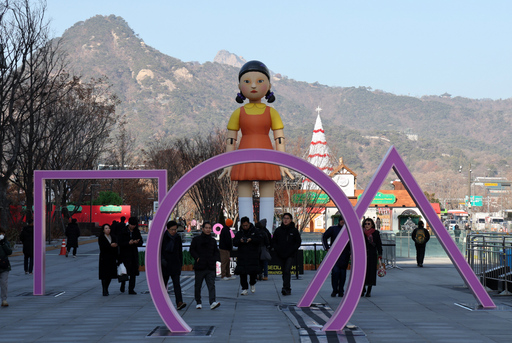
전세계 올킬 '오징어게임2' 불법 유통 속수무책

넷플릭스 한국 오리지널 시리즈 오징어게임 시즌2가 사흘 연속 93개국 1위를 기록하며 신기록 행진을 이어가고 있는 가운데, 국내외 불법 유통으로 골머리를 앓고 있다. 31일 콘텐츠 업계에 따르면 불법 온라인 스트리밍 사이트인 티비몽, 티비위키, 후후티비 등에서 오징어게임2가 무단으로 유통되고 있다. 오징어게임2가 넷플릭스에 공개된 지난 26일 이들 사이트에도 곧바로 전편이 자막, 무자막 버전으로 각각 공개됐다. 후후티비에 게재된 오징어게임2 마지막 화의 조회수는 무려 2820만회를 넘는 등 상당수 이용자가 불법 사이트를 통해 오징어게임2를 시청한 것으로 추정된다. 사이트 운영진은 댓글에서 이용자들과 소통하며 활동을 이어가고 있다. 이들 불법 사이트는 국내 최대 규모 콘텐츠 불법 스트리밍 사이트 '누누티비'의 후속 사이트로 추정된다. 현재 누누티비 홈페이지에 접속하면 티비위키, 티비몽 등 우회접속할 수 있는 대체 사이트 링크가 올라와 있다. 무료 드라마와 웹툰을 제공하는 불법 사이트 상위 10개 링크도 접속할 수 있으며 대부분이 오징어게임2 전편을 무단으로 제공하고 있다. 지난 16일 문화체육관광부 저작권범죄과학수사대가 누누티비 운영자를 구속했다. 저작권범죄과학수사대는 누누티비와 티비위키, 오케이툰의 도메인을 모두 압수하고 접속경로를 '압수 안내 페이지'로 변경시킴으로써 사이트 접속을 즉각 차단했다고 밝혔다.그러나 운영자 검거 이후에도 사이트가 폐쇄됐다가 얼마 지나지 않아 다시 사이트를 오픈하는 식의 꼼수가 반복되고 있다. 서버를 해외에 두고 접속 주소를 바꾸는 방식으로 후속 불법 사이트들을 운영해 사실상 원천 차단이 불가능하다. 저작권범죄과학수사대에 따르면, 누누티비 운영자는 범죄 수익원이 되는 불법 도박사이트 운영조직과 긴밀한 관계를 맺어 해외에 서버를 구축하고, 품질을 높이기 위한 트래픽 실시간 모니터링, 콘텐츠 전송 네트워크(CDN) 등 기법을 도입했다. 또한 수사기관의 추적을 따돌리기 위해 해당 서버에 접속 시 다중 가상 사설망(VPN)과 해외 신용카드, 해외 가상자산 거래소를 이용했다.이처럼 정부의 단속에도 불법 사이트가 계속 생기는 이유는 사이트에 상시 노출하고 있는 불법 도박 배너 광고를 통해 얻는 수익이 수십억원 상당에 달하기 때문으로 추정된다. 지난해 기준 누누티비가 불법 도박 광고로 얻은 이익은 최소 333억원에 달할 것이란 업계 관측이 나온 바 있다. 해외에서도 오징어게임2이 불법 유통되고 있다. 현재 중국의 소셜미디어 플랫폼 더우반(豆瓣)에서 '오징어게임2'의 평점은 6.4점(10점 만점)이며, 리뷰 개수는 약 6만개다. 네티즌들 사이에는 이를 중국 내 불법 콘텐츠 유통의 정황으로 보는 시각이 많다. 이에 서경덕 성신여대 교수는 이날 사회관계망서비스(SNS)를 통해 "오징어 게임 시즌1이 공개될 때와 마찬가지로 중국 내 '도둑 시청'은 이제 일상이며, 어떠한 부끄러움도 느끼지 못한다는 것이 더 기가 막힐 따름"이라며 "중국 당국이 적극적으로 나서야 할 때"라고 지적하기도 했다. 오징어게임2에 1000억원이 넘는 제작비를 투입했다고 알려진 넷플릭스는 당혹감을 감추지 못하고 있다. 최근 구독자 수가 정체됐던 넷플릭스는 오징어게임2 마케팅 예산을 대폭 늘리는 등 흥행에 사활을 걸고 있다.온라인 스트리밍 플랫폼 시청 시간 집계 사이트 플릭스패트롤에 따르면, 오징어 게임2는 공개 5일째인 30일 넷플릭스 전 세계 TV쇼 부문에서 1위를 기록, 27일부터 4일째 정상에 올랐다. 국내외에서 혹평과 호평이 엇갈리고 있지만, 역대 흥행 신기록을 갈아치우는 성과를 냈다. 넷플릭스가 입을 저작권 피해도 상당할 것으로 보인다고 뉴시스가 전했다.

2024-12-31 14:42:31 최규춘 기자